Modern engineering teams face unprecedented complexity in software development, from managing large codebases to accelerating deployment cycles while maintaining quality standards. Traditional development workflows often create bottlenecks, with engineers spending significant time on repetitive tasks, code reviews, and debugging rather than innovative problem-solving. The integration of AI platforms has become essential for maintaining competitive advantage and operational efficiency.
AI-powered engineering platforms are transforming how development teams work, offering capabilities from intelligent code completion and automated testing to comprehensive workflow orchestration and predictive analytics. These platforms don’t just automate individual tasks—they create intelligent development environments that learn from team patterns and optimize entire engineering processes.
Here are ten leading AI platforms that are reshaping engineering productivity and code quality in 2026.
1. WorkLLM
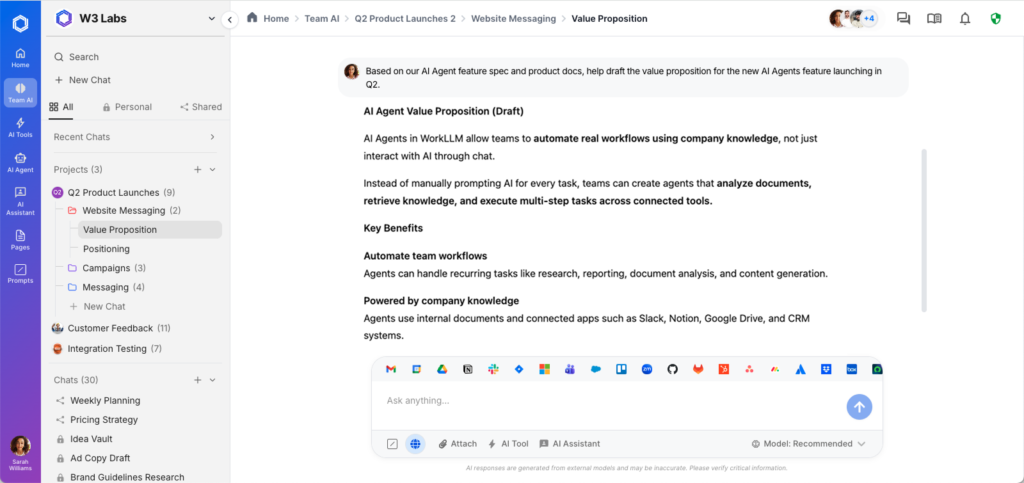
WorkLLM represents a comprehensive multi-LLM AI workspace specifically designed for engineering teams who need flexibility and collaboration across diverse development workflows. Unlike single-purpose coding assistants, WorkLLM provides access to multiple foundation models within a unified environment, enabling teams to leverage different AI capabilities for various engineering tasks. The platform combines structured memory systems with collaborative features, allowing engineering teams to build custom workflows while maintaining context across projects and team members.
The platform’s architecture supports both individual productivity and team-wide collaboration, with AI tools that can be customized for specific engineering processes and AI agents capable of handling complex, multi-step development tasks.
Key Features:
- Multi-LLM access supporting diverse engineering use cases and model selection
- Structured memory system that maintains context across projects and sprints
- Customizable AI tools for repeatable engineering workflows and processes
- AI agents for complex development task automation and orchestration
- Team collaboration features with shared workspaces and knowledge bases
- Integration capabilities with existing development tools and platforms
Best For: Engineering teams seeking a unified AI workspace that combines multiple model capabilities with structured collaboration and the flexibility to build custom development workflows across the entire software development lifecycle.
2. GitHub Copilot
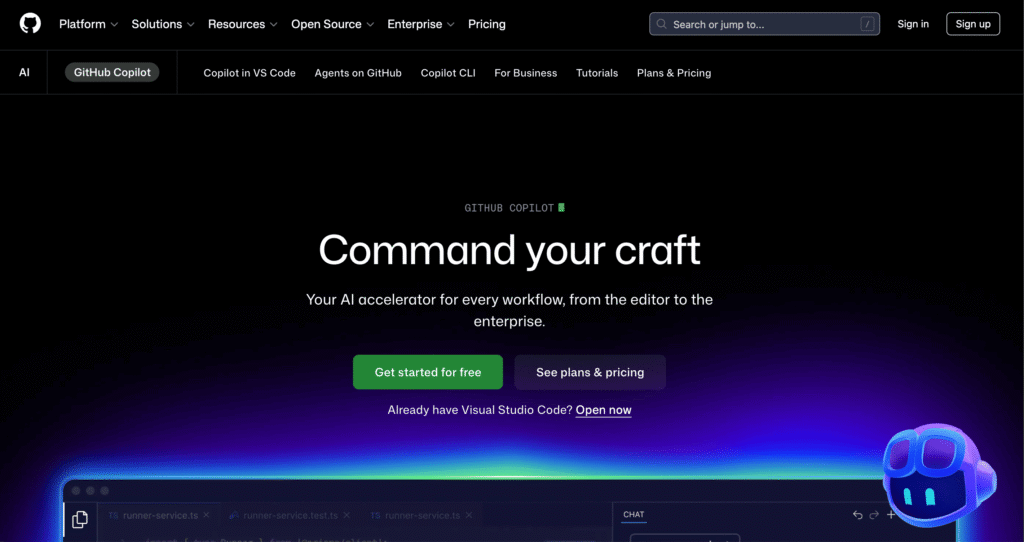
GitHub Copilot has established itself as the industry standard for AI-powered code completion, with over 90% of engineering teams now using AI coding assistants like Copilot, representing a significant increase from 61% in the previous year. The platform leverages OpenAI’s Codex model to provide real-time code suggestions directly within popular IDEs, learning from billions of lines of public code to offer contextually relevant completions. Copilot excels at understanding developer intent and generating boilerplate code, function implementations, and even complex algorithms based on natural language comments.
The platform’s strength lies in its seamless integration with existing development workflows and its ability to accelerate coding velocity without requiring significant changes to established practices.
Key Features:
- Real-time code suggestions with contextual awareness and intelligent completion
- Support for dozens of programming languages and frameworks
- IDE integration across Visual Studio Code, JetBrains, and other popular editors
- Natural language to code conversion for rapid prototyping
- Code explanation and documentation generation capabilities
- Team management and usage analytics for enterprise deployments
Best For: Development teams looking for proven AI pair programming capabilities that integrate seamlessly with existing IDEs and workflows, particularly those prioritizing coding velocity and developer productivity.
3. Cursor
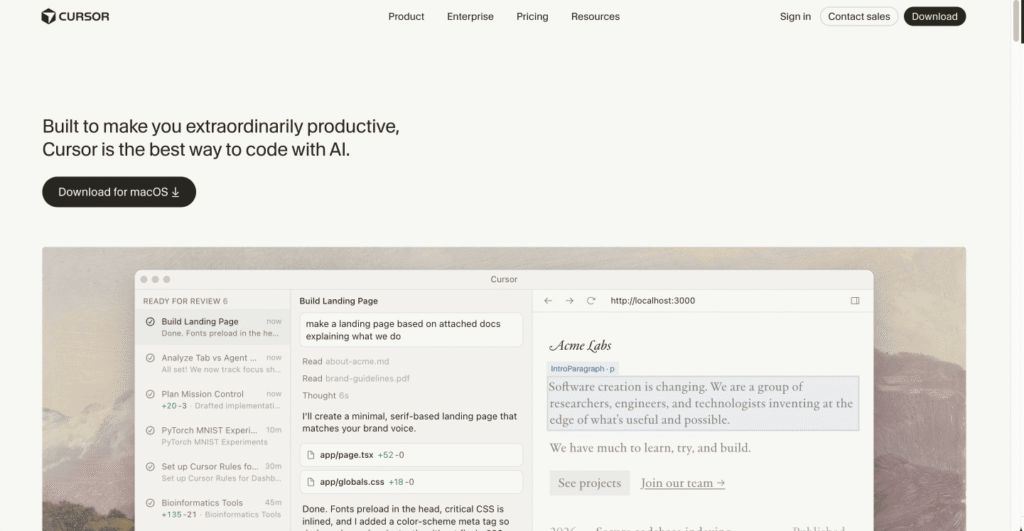
Cursor has emerged as a comprehensive AI-native development environment designed specifically for enterprise development teams. The platform goes beyond simple code completion to provide full development workflow integration, including technical requirement analysis, architectural planning assistance, and intelligent project management. Cursor’s approach focuses on creating an entirely AI-enhanced development experience rather than adding AI features to existing tools.
The platform is particularly strong for teams ready to adopt AI-native development workflows and those working on complex enterprise applications requiring comprehensive AI assistance throughout the development lifecycle.
Key Features:
- Enterprise-grade development environment with built-in AI capabilities
- Technical requirement analysis and architectural planning support
- Intelligent code generation with enterprise security and compliance features
- Advanced debugging and error resolution assistance
- Project-wide context understanding and cross-file intelligence
- Enterprise security controls and audit capabilities
Best For: Enterprise development teams seeking comprehensive AI assistance throughout the development workflow and organizations ready to adopt AI-native development environments for complex software projects.
4. Propel
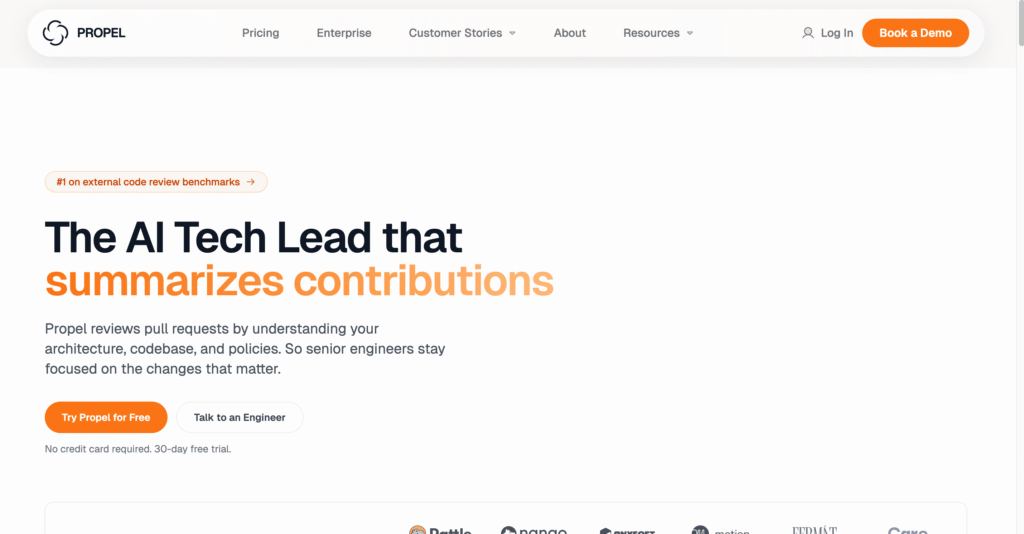
Propel has gained significant traction among engineering teams by focusing specifically on code review optimization and codebase-aware AI assistance. The platform is used by over 1,000 engineering teams and delivers a remarkable 67% reduction in code review time through AI that understands team coding standards and patterns. Propel’s codebase-aware AI learns from existing code patterns, style guides, and team preferences to provide more relevant and accurate suggestions than generic AI tools.
The platform represents the fastest-growing AI IDE in the market, particularly appealing to teams struggling with lengthy code review cycles and inconsistent code quality across team members.
Key Features:
- Codebase-aware AI that learns and adapts to team coding standards
- 67% reduction in code review time through intelligent analysis
- AI-generated documentation that reflects actual code structure and patterns
- Code quality insights and pattern recognition across projects
- Integration with popular version control systems and CI/CD pipelines
- Team analytics and productivity metrics for continuous improvement
Best For: Engineering teams prioritizing code review efficiency and quality consistency, particularly those with established coding standards who want AI that understands their specific patterns and practices.
5. testRigor
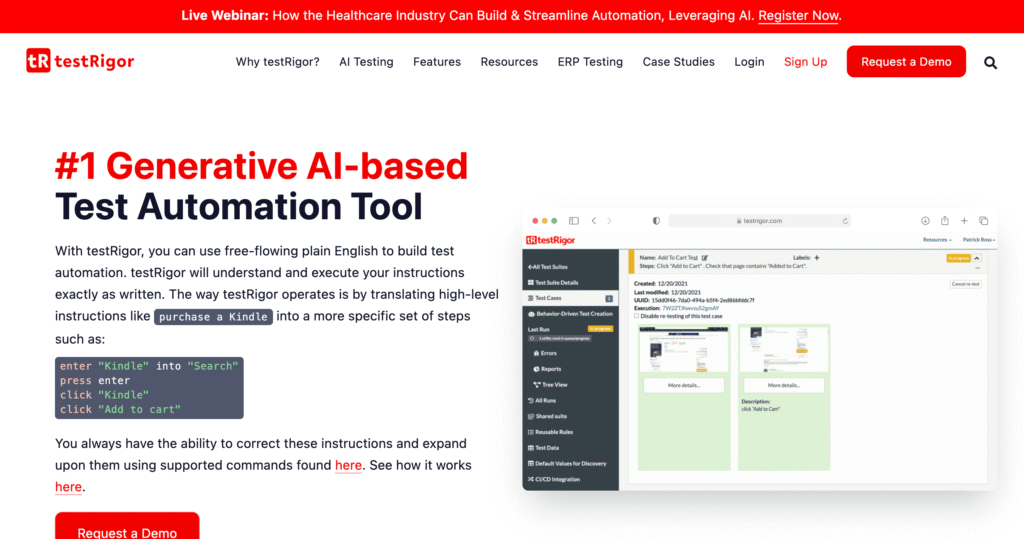
testRigor revolutionizes test automation through generative AI-based testing that allows teams to create and maintain automated tests using simple English commands. The platform addresses one of the most time-consuming aspects of software development—creating and maintaining comprehensive test suites—by enabling non-technical team members to contribute to test creation while reducing the maintenance burden on engineering teams. testRigor’s approach to natural language test creation significantly lowers the barrier to comprehensive test coverage.
The platform excels in environments where test coverage is critical but engineering resources for test creation and maintenance are limited.
Key Features:
- Natural language test creation using simple English commands
- Automated test maintenance that adapts to UI and functionality changes
- Cross-browser and cross-platform testing capabilities
- Integration with popular CI/CD pipelines and development tools
- Visual testing and regression detection capabilities
- Collaborative test creation for both technical and non-technical team members
Best For: Engineering teams seeking to automate testing processes while reducing maintenance overhead, particularly those wanting to involve non-technical stakeholders in test creation and validation.
6. UiPath
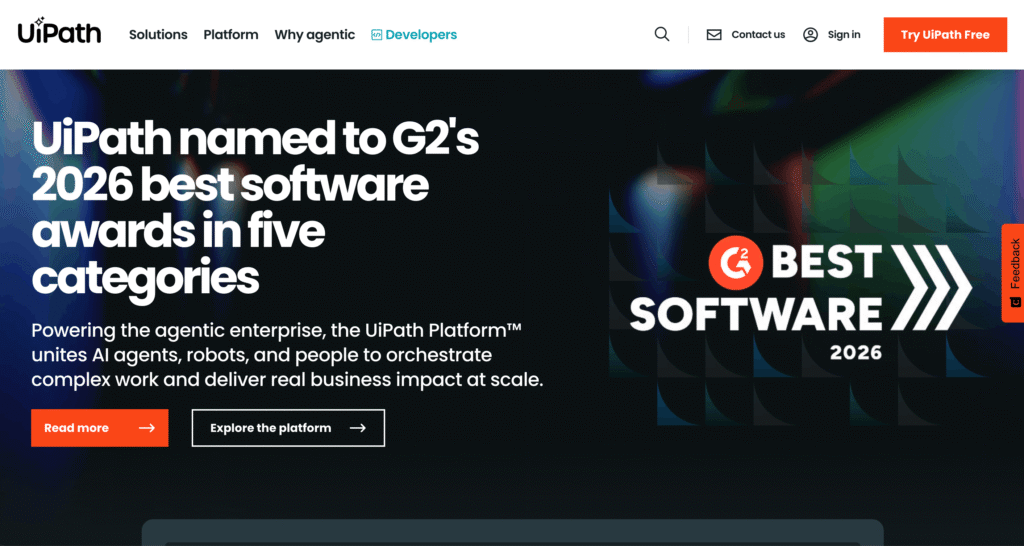
UiPath specializes in robotic process automation (RPA) with advanced AI capabilities, making it particularly valuable for engineering teams managing complex operational workflows beyond core development tasks. The platform excels at automating repetitive administrative processes, deployment procedures, and cross-system integrations that often consume significant engineering time 7. UiPath’s strength lies in its ability to automate processes that span multiple applications and systems, reducing manual overhead for engineering operations.
The platform is especially valuable for teams dealing with complex deployment processes, regulatory compliance requirements, or extensive integration workflows.
Key Features:
- Advanced process automation with AI-powered decision making
- Cross-application workflow automation and system integration
- Intelligent document processing and data extraction capabilities
- Scalable automation deployment across enterprise environments
- Process mining and optimization analytics for continuous improvement
- Enterprise-grade security and compliance features
Best For: Engineering operations teams focused on automating complex, multi-system processes and organizations with significant administrative overhead in their development and deployment workflows.
7. Vercel
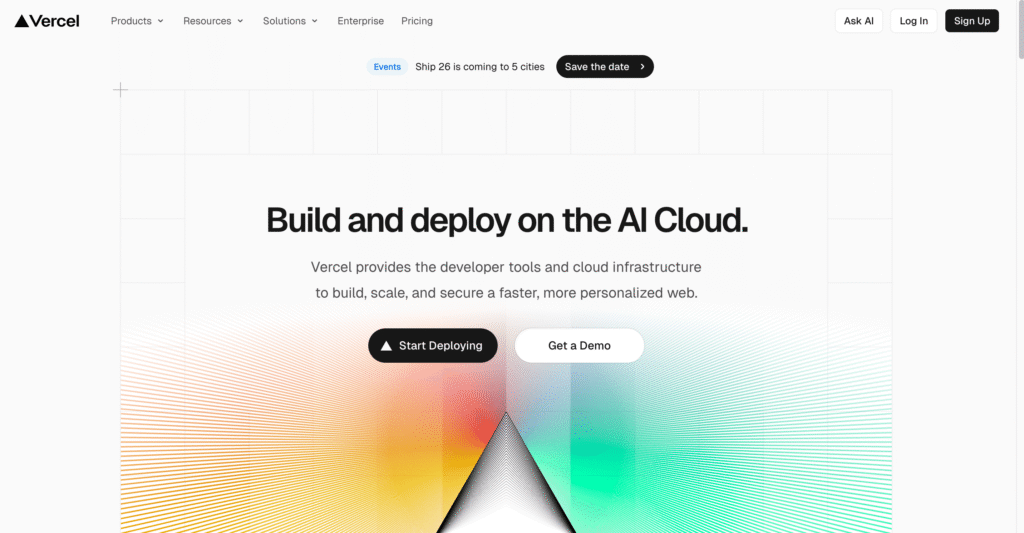
Vercel represents a breakthrough in AI-powered UI development, enabling rapid prototyping and frontend development through natural language prompts and visual inputs. The platform generates production-ready UI code from descriptions, mockups, or even hand-drawn sketches, significantly accelerating the frontend development process. v0.dev excels at translating design concepts into functional code while maintaining modern development practices and accessibility standards.
The platform is particularly powerful for teams working on customer-facing applications where rapid iteration and visual polish are critical success factors.
Key Features:
- AI-powered UI code generation from natural language descriptions
- Visual input support including mockups and hand-drawn sketches
- Production-ready code output with modern frameworks and best practices
- Rapid prototyping capabilities for design validation and stakeholder review
- Integration with popular frontend frameworks and design systems
- Responsive design generation with accessibility compliance
Best For: Frontend engineering teams focused on rapid UI development and prototyping, particularly those working on customer-facing applications requiring quick design iteration and stakeholder feedback.
8. Leo AI
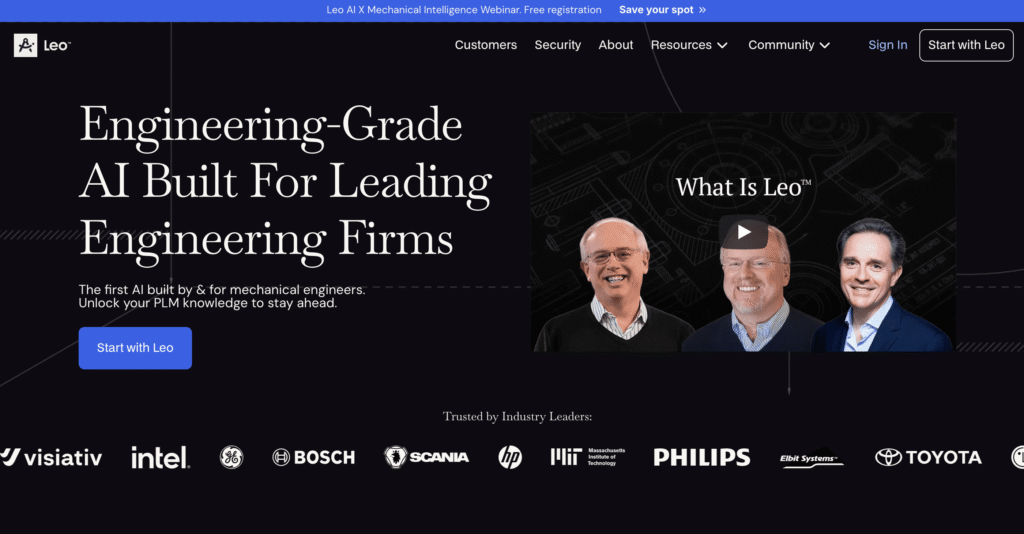
Leo AI is purpose-built specifically for mechanical engineering professionals, trusted by over 60,000 engineers for AI-driven design exploration and optimization. The platform provides comprehensive engineering knowledge and integrates with major CAD tools like Onshape, SOLIDWORKS, and PLM systems without requiring native plugins. Leo AI excels at analyzing trade-offs, surfacing design alternatives, and providing validated engineering solutions while maintaining human oversight for final optimization and validation decisions.
The platform addresses the unique needs of mechanical engineering teams who require specialized domain knowledge and integration with engineering-specific tools and workflows.
Key Features:
- Purpose-built AI for mechanical engineering with specialized domain knowledge
- Integration with major CAD and PLM systems without native plugin requirements
- AI-driven design exploration and trade-off analysis capabilities
- Human-in-the-loop optimization maintaining engineer control over final decisions
- Comprehensive engineering knowledge base with validated solutions
- Collaborative features for distributed engineering teams
Best For: Mechanical engineering teams requiring specialized AI assistance with CAD integration and design optimization, particularly those working on complex mechanical systems requiring validated engineering solutions.
9. DeepCode AI
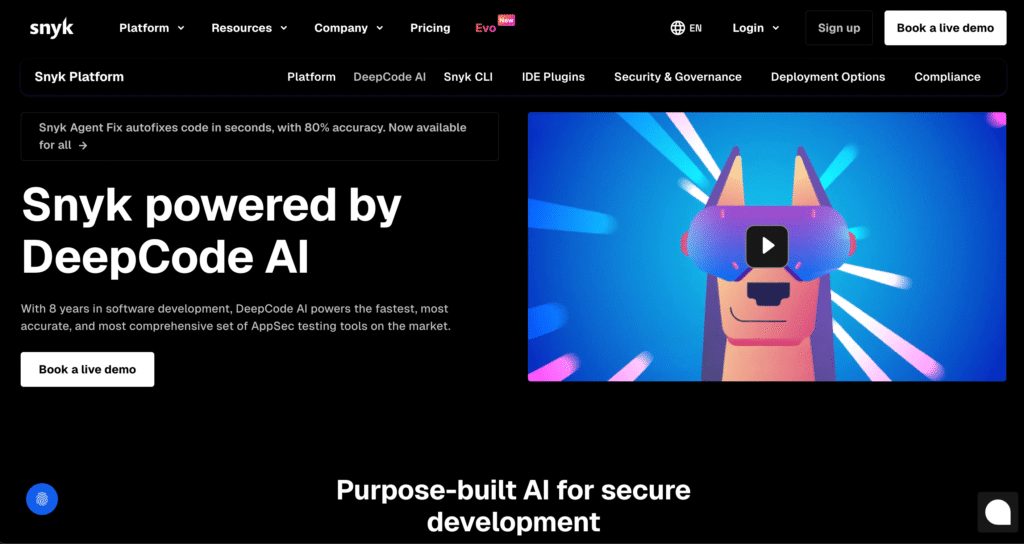
DeepCode AI leverages machine learning to provide intelligent code review and bug detection, learning from millions of code changes to offer proactive feedback for cleaner, more secure code. The platform goes beyond static analysis to understand code patterns and potential issues that traditional tools might miss, providing context-aware suggestions for improvement. DeepCode’s continuous learning approach means it becomes more effective over time as it analyzes more code from diverse projects and teams.
The platform is particularly valuable for teams prioritizing code security, maintainability, and long-term technical debt management.
Key Features:
- Machine learning-based code analysis with continuous improvement capabilities
- Proactive bug detection and security vulnerability identification
- Context-aware code quality feedback and improvement suggestions
- Integration with popular IDEs and version control systems
- Team analytics and code quality metrics tracking
- Custom rule creation and enforcement for organizational standards
Best For: Engineering teams prioritizing code quality, security, and maintainability, particularly those dealing with large codebases where manual code review cannot catch all potential issues.
10. Exceeds AI
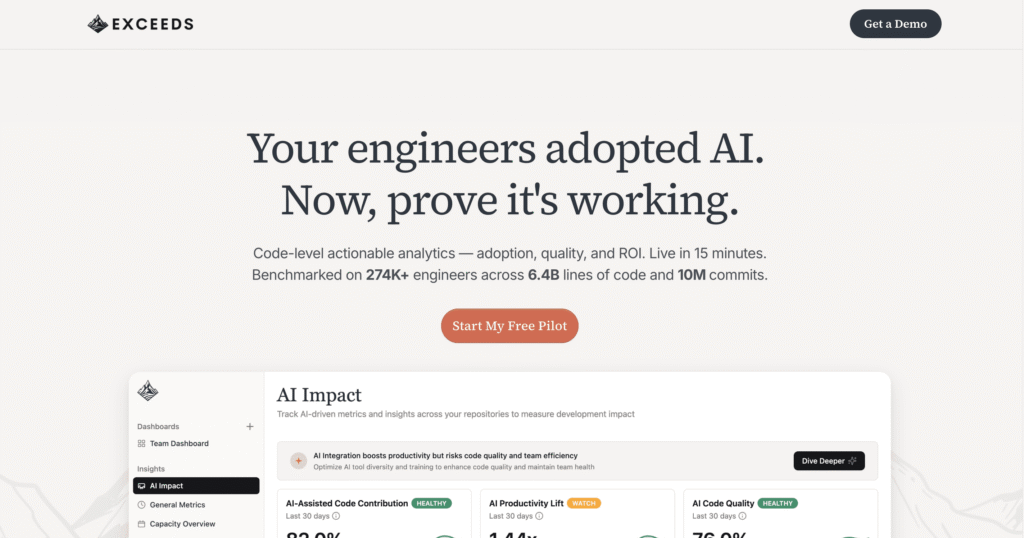
Exceeds AI focuses on measuring and optimizing the ROI of AI tools in engineering workflows, providing code-level analytics and impact measurement that engineering leaders need to justify AI investments 11. The platform offers commit-level analytics, impact reporting, and performance tracking that connects AI usage to real delivery and quality metrics. Exceeds AI helps teams understand which AI tools provide genuine value and how to optimize their usage for maximum productivity gains.
The platform is essential for engineering leaders who need to demonstrate concrete ROI from AI tool investments and optimize team productivity strategies.
Key Features:
- Code-level ROI measurement with commit-level analytics and impact tracking
- AI tool usage correlation with delivery speed and quality metrics
- Performance tracking across development teams and projects
- Impact reporting for engineering leadership and budget justification
- Productivity optimization recommendations based on data analysis
- Integration with existing development tools and AI platforms
Best For: Engineering leaders seeking to measure and optimize AI tool ROI with concrete data, particularly those needing to justify AI investments and improve team productivity strategies.
Summary Comparison Table
| Platform | Primary Focus | Engineering Domain | AI Capabilities | Team Size | Enterprise Ready |
|---|---|---|---|---|---|
| WorkLLM | Multi-LLM Workspace | Full-Stack Development | Comprehensive (Multi-model) | All Sizes | Yes |
| GitHub Copilot | Code Completion | Software Development | Code Generation | All Sizes | Yes |
| Cursor | AI-Native IDE | Enterprise Development | Comprehensive Workflow | Medium-Large | Yes |
| Propel | Code Review | Software Development | Codebase-Aware Analysis | Medium-Large | Yes |
| testRigor | Test Automation | QA/Testing | Natural Language Testing | All Sizes | Yes |
| UiPath | Process Automation | DevOps/Operations | RPA with AI | Large Enterprise | Yes |
| Vercel v0.dev | UI Development | Frontend | Visual Code Generation | All Sizes | Yes |
| Leo AI | CAD/Design | Mechanical Engineering | Domain-Specific AI | All Sizes | Yes |
| DeepCode AI | Code Quality | Software Development | ML Code Analysis | All Sizes | Yes |
| Exceeds AI | ROI Analytics | Engineering Leadership | Performance Analytics | Medium-Large | Yes |
Choosing the Right AI Platform for Engineering Teams
The engineering AI landscape has evolved beyond simple code completion tools to comprehensive platforms that support entire development lifecycles and specialized engineering domains. Modern engineering teams face the challenge of selecting platforms that not only improve individual productivity but also enhance team collaboration and deliver measurable business outcomes.
Traditional point solutions excel in specific areas—GitHub Copilot for code completion, testRigor for test automation, or Leo AI for mechanical engineering. However, the trend is toward integrated platforms that support diverse workflows while maintaining the depth needed for specialized tasks. The key consideration is whether your team needs specialized tools for specific engineering domains or comprehensive platforms that support cross-functional collaboration.
Some platforms focus primarily on automating existing workflows, while others reimagine how engineering work gets done. A smaller group combines multiple AI capabilities with collaborative features and workflow orchestration. The architecture choice depends on your team’s maturity with AI adoption and willingness to change established processes.
For teams seeking to build AI-powered engineering workflows that span multiple disciplines and support cross-functional collaboration, platforms like WorkLLM offer the flexibility of multiple AI models within structured collaborative environments. This approach enables teams to customize AI assistance for their specific needs while maintaining the collaboration and knowledge sharing essential for complex engineering projects.
As AI adoption in engineering continues to mature, the question is not whether to adopt AI tools, but how to select platforms that enhance both individual productivity and team effectiveness while delivering measurable improvements in engineering outcomes.
Author Details

Ankit Sharma is a Full Stack Software Engineer specializing in scalable backend systems, AI-powered applications, and multi-tenant architectures. He has experience building high-performance platforms using Node.js, Next.js, PostgreSQL, MongoDB, AWS, and modern JavaScript technologies.