ChatGPT is one of the most powerful AI tools available today.
For individuals, it works extremely well. It helps with writing, brainstorming, research, coding, summarization, and analysis. Many teams start their AI journey with ChatGPT.
But as adoption grows inside companies, new questions start to surface:
- How do we share context across the team?
- How do we prevent knowledge from staying in private chats?
- How do we connect AI to workflows?
- How do we manage permissions, memory, and governance?
At that point, organizations begin looking for alternatives built specifically for teams.
Below are some of the best ChatGPT alternatives for team and enterprise use cases.
1. WorkLLM
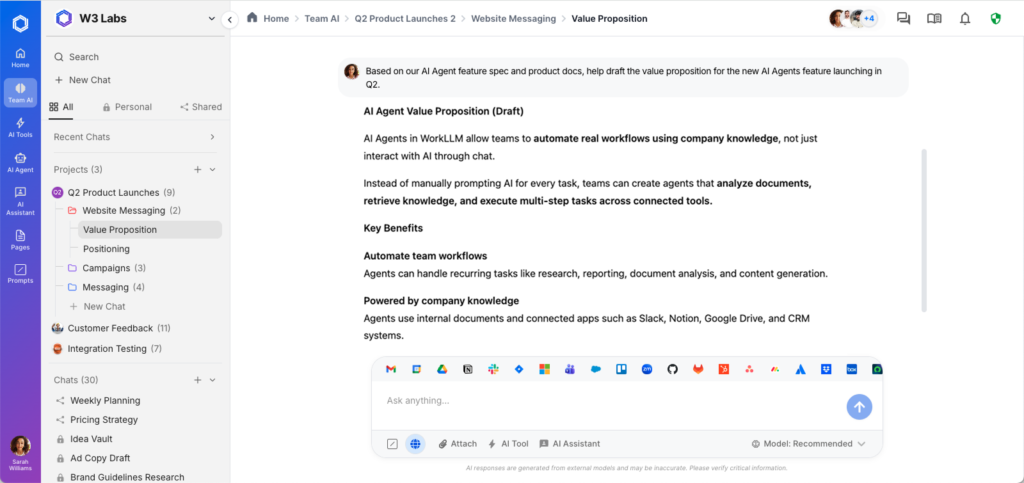
Best for: Teams that need shared intelligence embedded into workflows
WorkLLM is designed as an AI workspace for teams rather than an individual chatbot.
Key strengths:
- Multi-LLM access in one shared environment
- Layered memory architecture across threads, projects, and organization
- Structured collaboration instead of isolated chats
- Unified execution across tools and workflows
Unlike personal AI tools, WorkLLM focuses on turning conversations into shared context that compounds over time.
This makes it suitable for cross-functional teams, product organizations, operations teams, and companies that want AI to become part of their operational infrastructure.
2. Microsoft Copilot
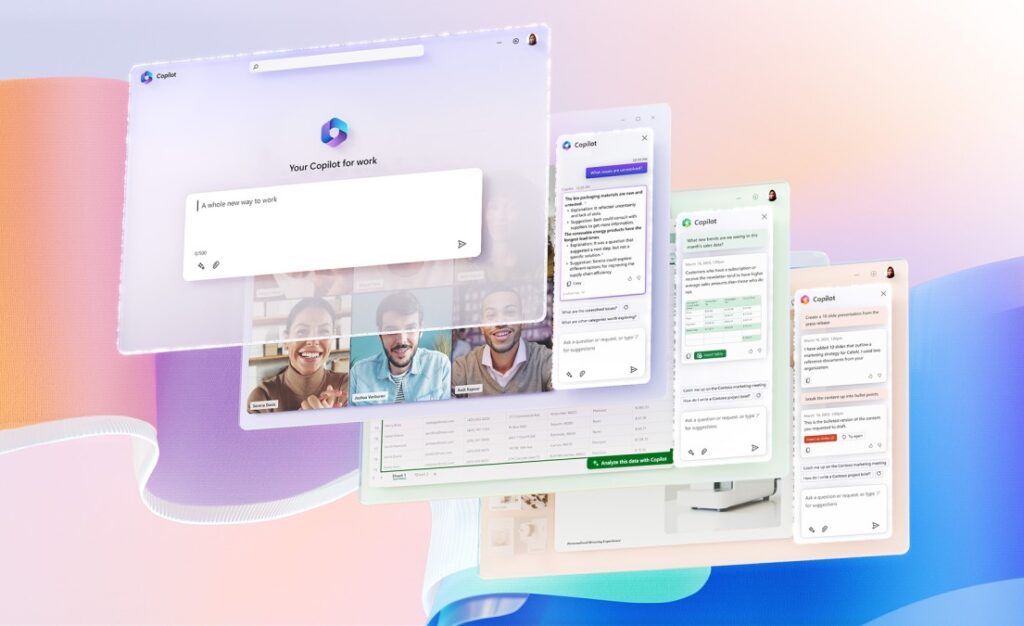
Best for: Organizations deeply embedded in Microsoft 365
Microsoft Copilot integrates directly with Word, Excel, PowerPoint, Outlook, and Teams.
Strengths:
- Native integration inside Microsoft ecosystem
- Enterprise-grade compliance and security
- Strong document-level assistance
Limitations:
- Primarily tied to Microsoft stack
- Less flexible across mixed-tool environments
For Microsoft-centric enterprises, Copilot is often the default next step beyond ChatGPT.
3. Google Gemini for Workspace
Best for: Google Workspace teams
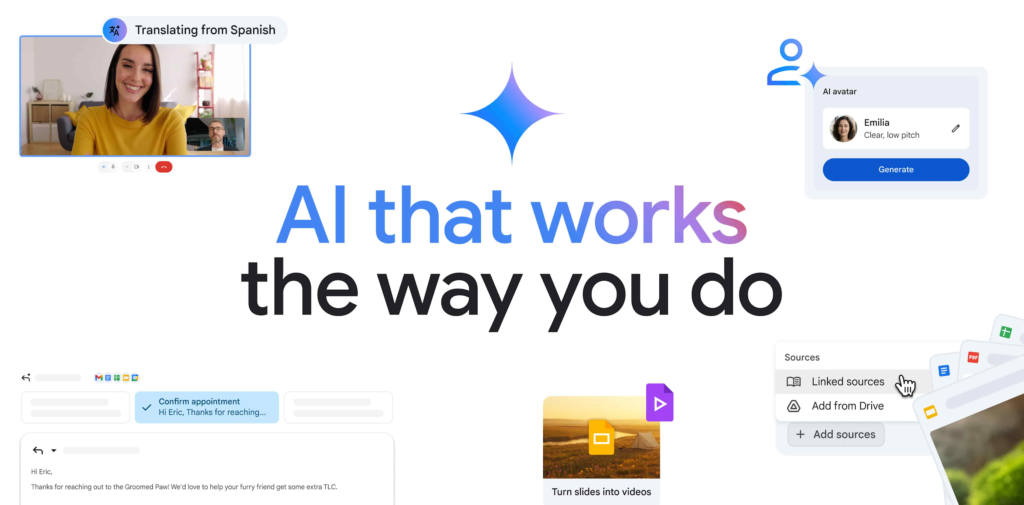
Google Gemini integrates with Docs, Sheets, Gmail, and Meet.
Strengths:
- Native to Google ecosystem
- Good document and email assistance
- Easy deployment for Workspace users
Limitations:
- Similar to Copilot, strongest within its own ecosystem
- Less focused on cross-platform structured collaboration
4. Claude for Teams
Best for: Long-form reasoning and analysis
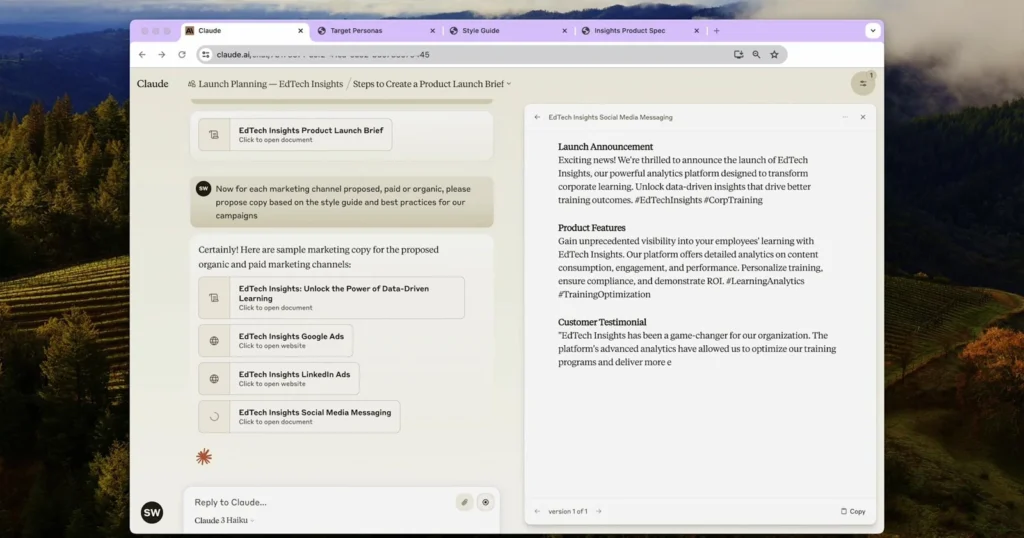
Anthropic Claude is known for strong reasoning and long context windows.
Strengths:
- Strong analytical capability
- Reliable for document-heavy workflows
- Clean conversational interface
Limitations:
- Primarily a chatbot model experience
- Less workflow-native compared to structured AI workspaces
5. Slack AI
Best for: Teams that live inside Slack
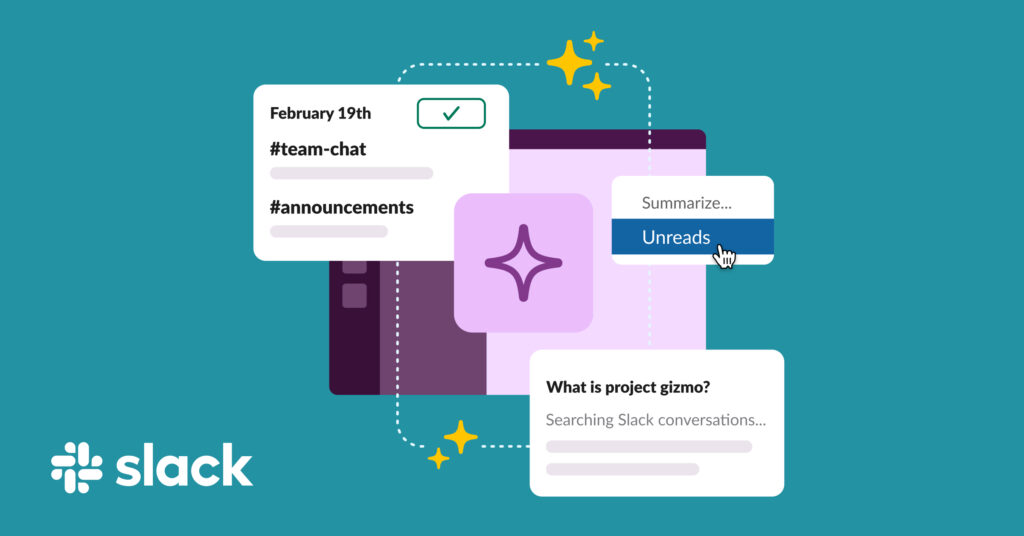
Slack has embedded AI directly into conversations.
Strengths:
- Summarizes channels and threads
- Native inside existing communication flow
- Reduces search friction
Limitations:
- Focused on communication layer
- Not designed as a full AI workspace
What to Look for in a ChatGPT Alternative for Teams
When evaluating alternatives, teams should consider:
1. Shared Context
Does AI operate in private chats, or does it strengthen collective understanding?
2. Memory
Does the system retain decisions and project knowledge over time?
3. Workflow Integration
Is AI embedded into execution, or does it remain a separate assistant?
4. Governance and Permissions
Can you control access, visibility, and usage across the organization?
5. Cross-Model Flexibility
Are you locked into one model, or can you access multiple LLMs in one environment?
The Bigger Shift: From Personal AI to Team AI
ChatGPT transformed individual productivity. The next phase of enterprise AI is about strengthening collective intelligence.
Many alternatives extend AI into existing ecosystems or communication layers. Fewer are designed to embed shared memory, governance, and workflow execution directly into how teams operate.
As organizations scale AI usage, the challenge is no longer generating better outputs. It is ensuring that knowledge compounds across projects and departments.
This is where team-native platforms like WorkLLM become strategically relevant. Rather than functioning as another chatbot, WorkLLM provides a shared workspace where multi-model access, structured memory, and workflow coordination operate together.
The long-term advantage will not come from using a more powerful chatbot. It will come from structuring AI as part of the team’s operational infrastructure.
Author Details

Senior engineering leader with experience building large-scale systems, infrastructure, and production-grade software. Focused on creating reliable, scalable technology for real-world business use.