
AI has become a core part of how agencies deliver strategy, creative, and performance. The challenge is no longer “whether” to use AI, but which platforms can support multi‑client, multi‑channel work in a reliable, collaborative way.
Below are 9 of the best AI platforms for agencies in 2026, with concise overviews, key capabilities, and “best for” guidance.
1. WorkLLM
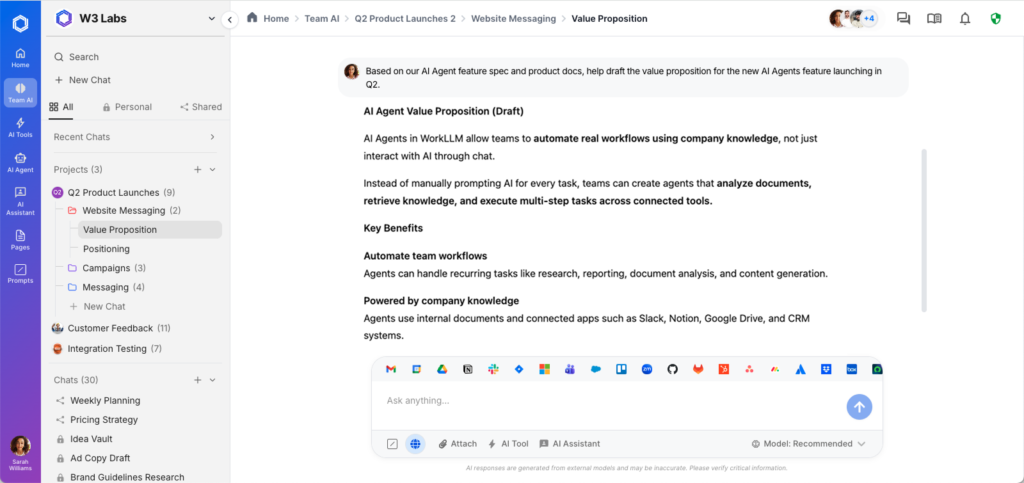
WorkLLM is an AI workspace and orchestration platform designed for teams that work across many clients and workflows. It combines multi‑LLM access with shared tools, assistants, and agents so agencies can operationalize AI across accounts, not just in isolated chats.1
Key capabilities
- Multi‑LLM support so teams can pick the right model per project or workflow
- AI Tools for one‑click, repeatable workflows (briefs, reports, content, recaps)
- AI Assistants tuned to roles like strategist, copywriter, analyst, or AM
- AI Agents that execute multi‑step workflows end‑to‑end across tools and data
- Team‑first design with shared workspaces, memory, and governance for agencies1
Best for:
Agencies that want a central, multi‑model AI workspace to standardize workflows, tools, and collaboration across all clients.
2. Jasper
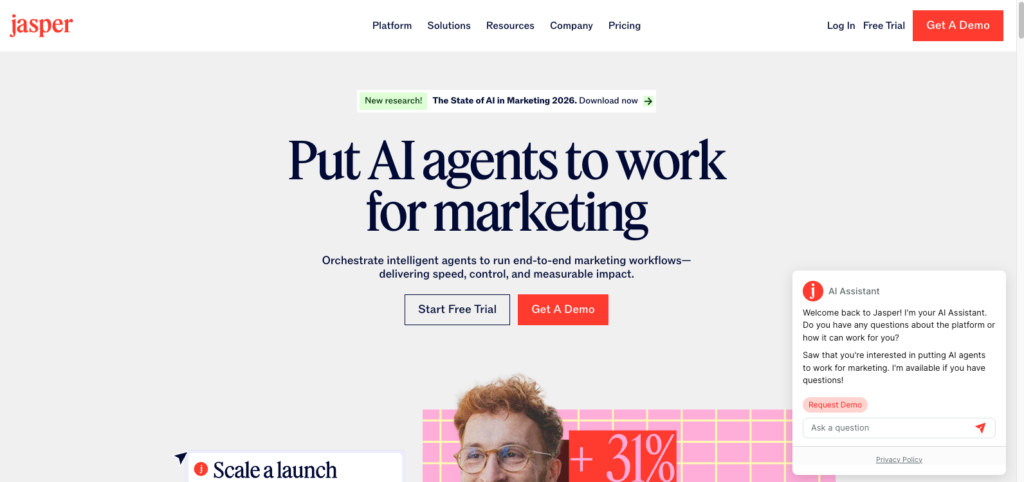
Jasper is an AI content platform focused on creating brand‑safe, on‑brand marketing content at scale. It gives agencies structured templates and brand controls to ensure consistency across multiple clients and channels.
Key capabilities
- Brand voice and style guides to keep outputs aligned with each client
- Pre‑built templates for ads, emails, landing pages, and social content
- Collaboration features for creative and content teams
- Central asset and template management to reduce duplication
- Integrations with popular CMS and marketing platforms
Best for:
Agencies that need scalable, on‑brand content production for multiple clients without designing their own content system.
3. Copy.ai
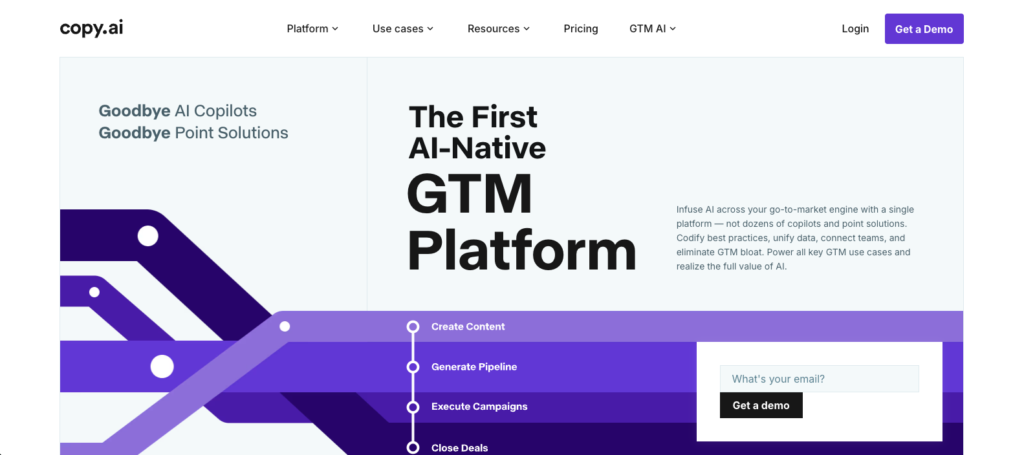
Copy.ai is built for high‑volume marketing and sales copy, helping teams quickly generate and refine messaging across campaigns. Agencies use it to accelerate ideation, variant testing, and localization.
Key capabilities
- Extensive template library for emails, ads, product copy, and social
- Fast ideation and variation for performance and growth campaigns
- Support for multi‑language content across markets
- Tools to repurpose long‑form assets into short‑form formats
- Collaboration options for teams sharing prompts and projects
Best for:
Performance and growth agencies that need rapid, template‑driven copy generation and testing across many campaigns.
4. Descript
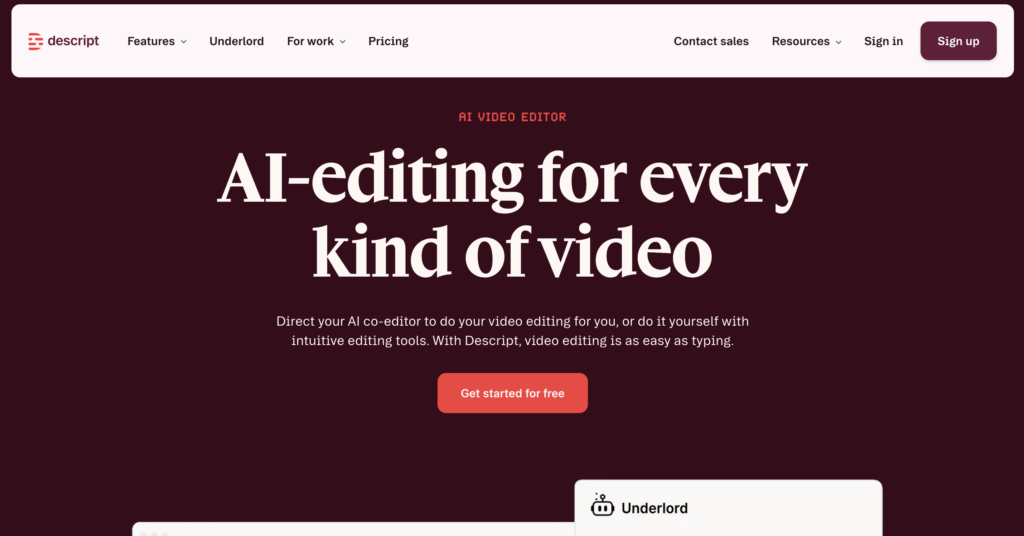
Descript is an AI‑powered audio and video editing platform that simplifies media production. It lets agencies edit podcasts and videos in a text‑like interface, significantly speeding up content production cycles.
Key capabilities
- Text‑based editing for audio and video, including cut and rearrange
- AI tools for transcription, filler word removal, and audio cleanup
- Overdub capabilities for small fixes without re‑recording
- Cloud‑based collaboration for producers, editors, and clients
- Easy export to major platforms and formats
Best for:
Agencies producing podcasts, webinars, and social video that want faster, more accessible editing workflows.
5. Adobe Firefly & Creative Cloud AI
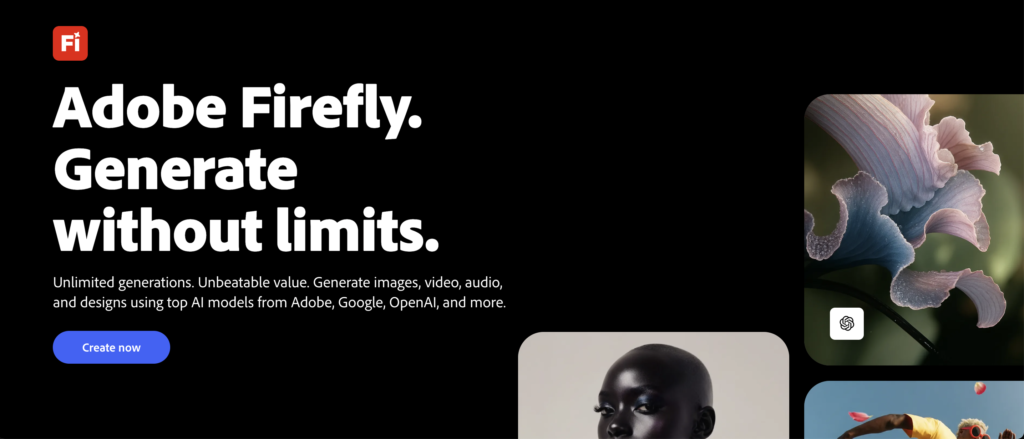
Adobe Firefly brings generative AI into Photoshop, Illustrator, and other Creative Cloud tools, meeting creative teams where they already work. It enhances existing workflows instead of replacing them.
Key capabilities
- Text‑to‑image generation for concepts, backgrounds, and assets
- Smart editing for object removal, expansion, and compositing
- AI‑assisted layout, masking, and refinements in Creative Cloud tools
- Enterprise‑grade features for content provenance and licensing
- Deep integration with existing Adobe creative workflows
Best for:
Design‑led and creative agencies that want AI embedded in established Adobe workflows rather than a separate visual tool.
6. Midjourney
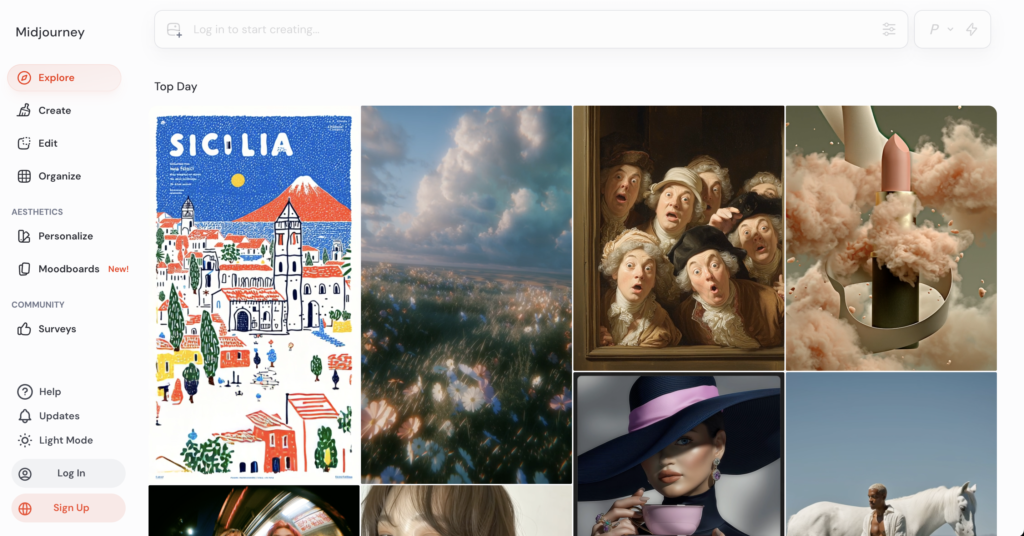
Midjourney is a leading generative image platform used heavily for concept art, mood boards, and early creative exploration. Agencies rely on it to quickly explore directions before committing design resources.
Key capabilities
- High‑quality generative visuals in diverse styles and aesthetics
- Fine control through prompting, style parameters, and upscaling
- Rapid iteration on concepts and campaign directions
- Strong community and gallery for inspiration and reference
- Useful for mood boards, pitch decks, and visual R&D
Best for:
Creative and branding agencies that need fast, high‑quality visual exploration for pitches, concepting, and early design phases.
7. Notion AI
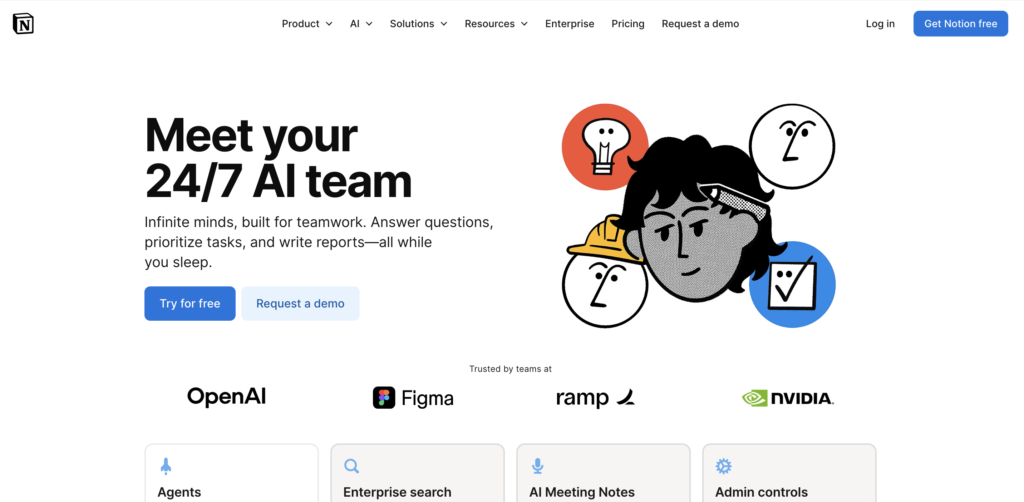
Notion AI adds an intelligent layer to Notion’s knowledge and documentation workspace. For agencies that already use Notion, it improves how teams capture, summarize, and reuse information.
Key capabilities
- AI assistance for drafting, rewriting, and improving documents
- Automated summaries of meeting notes, research, and project docs
- Simple Q&A and search across pages and databases
- Inline suggestions to speed up planning and documentation
- Works directly inside existing Notion workspaces and structures
Best for:
Agencies that centralize knowledge in Notion and want embedded AI to improve documentation, research, and internal communication.
8. ClickUp Brain
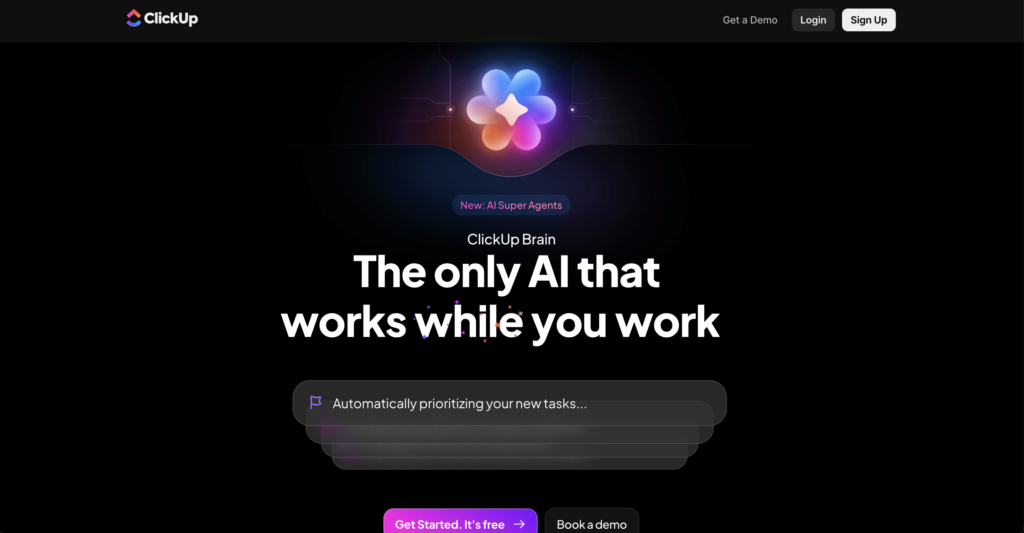
ClickUp Brain brings intelligent support into project and task management. For agencies, this reduces project admin and improves communication around deliverables.
Key capabilities
- Generate task descriptions, subtasks, and checklists from short prompts
- Summarize long comment threads and project updates
- Draft status reports and client updates from existing data
- Help with prioritization and capacity planning at a high level
- Keep project communication and documentation structured
Best for:
Ops‑focused agencies that run complex projects in PM tools and want AI to streamline planning, updates, and reporting.
9. Zapier with AI & Automations
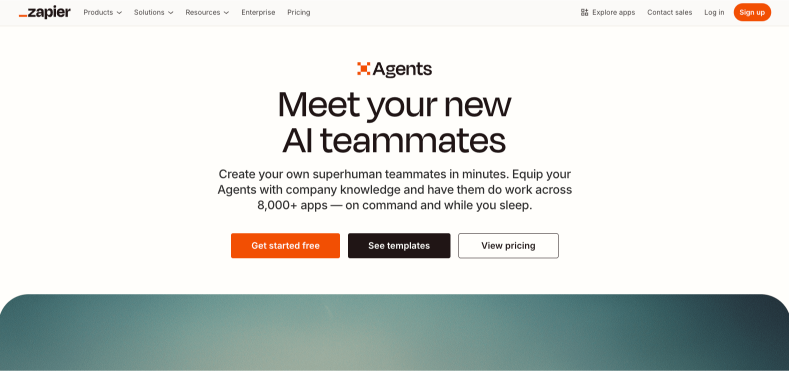
Zapier acts as an automation and integration layer that connects AI outputs with the rest of an agency’s stack. It’s essential for turning AI usage into reliable, repeatable processes.
Key capabilities
- Connect AI tools to CRMs, email, ad platforms, and reporting systems
- Trigger workflows when AI tasks complete (e.g., send reports, update docs)
- Orchestrate multi‑step automations across multiple SaaS tools
- Reduce manual data transfer and status updates
- Combine AI generation with approvals and downstream actions
Best for:
Agencies that want to embed AI into their broader tools and processes, creating end‑to‑end automated workflows.
How Agencies Should Think About AI Platforms
When selecting AI platforms, agencies should look beyond individual features and consider how tools fit into three layers:
- Creation layer: Tools for content, copy, visuals, and media (e.g., Jasper, Copy.ai, Descript, Firefly, Midjourney).
- Coordination layer: Tools for knowledge, projects, and automation (e.g., Notion AI, ClickUp/Asana AI, Zapier).
- Orchestration layer: A central AI workspace that ties models, memory, tools, and teams together.
WorkLLM is specifically positioned as this orchestration layer, giving agencies a multi‑LLM, team‑first workspace where reusable tools, assistants, and agents can be standardized across accounts and service lines
Author Details

Product-focused founder with deep experience in AI, enterprise software, and data platforms. Passionate about turning complex workplace problems into simple, scalable products.