
Product managers are increasingly using AI to accelerate research, analyze customer feedback, generate product documentation, and coordinate decisions across teams.
From market analysis and roadmap planning to writing product requirements and summarizing user insights, AI now supports many stages of the product development lifecycle.
However, as adoption matures, product teams are moving beyond simple AI writing tools. They are evaluating platforms that support collaboration, knowledge management, research synthesis, and cross-functional coordination.
Below are seven AI platforms commonly used by modern product teams.
1. WorkLLM
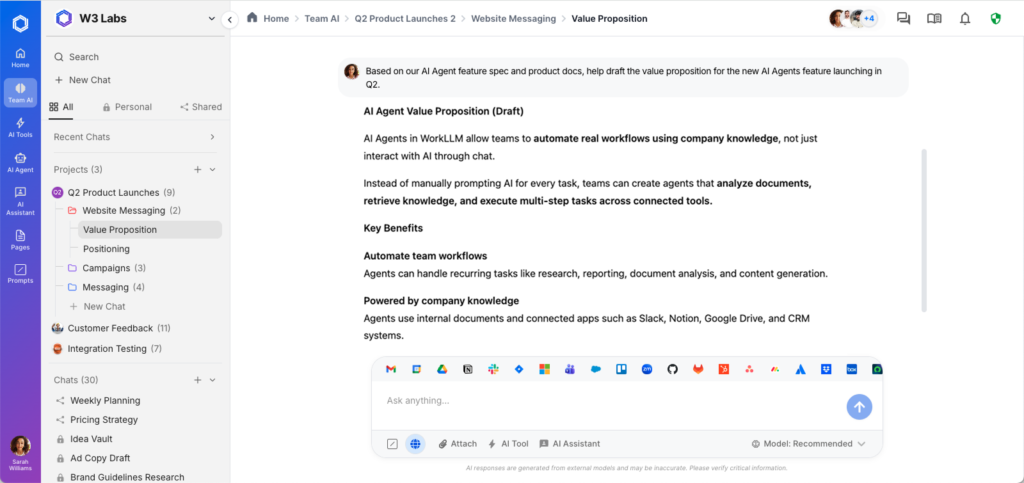
WorkLLM is designed as a shared AI workspace where teams can collaborate with AI across projects. Product teams use WorkLLM to synthesize research, prepare product requirement documents, analyze customer feedback, and coordinate strategy discussions.
Because WorkLLM includes layered project memory, context can persist across product initiatives, customer insights, and roadmap planning. Product managers, engineers, designers, and leadership teams can collaborate inside the same AI environment.
Strengths
- Multi-LLM access in one workspace
- Shared project memory across product initiatives
- Cross-functional collaboration across product, engineering, and design
- AI Assistants and AI Agents for workflow automation
- Integration with internal knowledge and research
Best for
Product teams that need structured collaboration and persistent context across product development workflows.
2. Notion AI
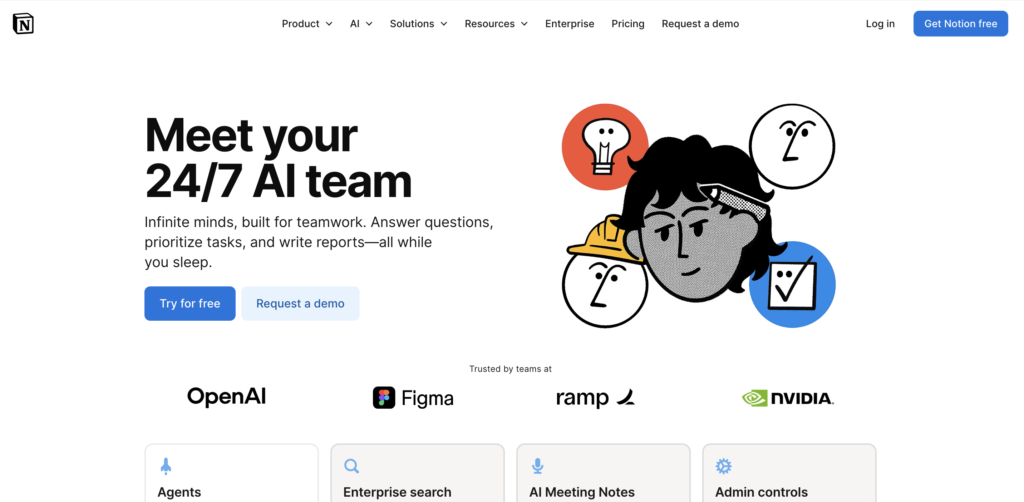
Notion AI integrates directly into the Notion workspace used by many product teams for documentation, roadmaps, and internal knowledge.
It assists with writing product specs, summarizing meeting notes, organizing documentation, and generating structured outlines.
Strengths
- AI embedded inside documentation workflows
- Strong support for product documentation and specs
- Collaborative workspace for teams
Best for
Product teams managing documentation and planning inside Notion.
3. ChatGPT Enterprise
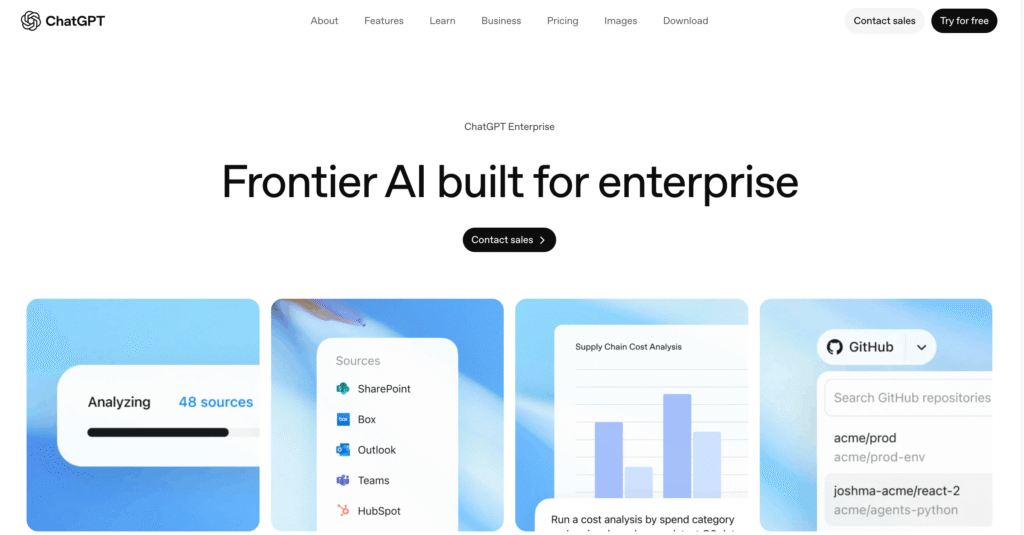
ChatGPT Enterprise is widely used by product managers for research, idea exploration, data analysis, and structured writing.
Product teams use it for drafting PRDs, summarizing user interviews, generating product messaging, and exploring product strategy ideas.
Strengths
- Strong reasoning and analysis capabilities
- Flexible research and ideation support
- Custom GPT configurations
Best for
Product teams performing research, ideation, and documentation tasks.
4. Productboard AI
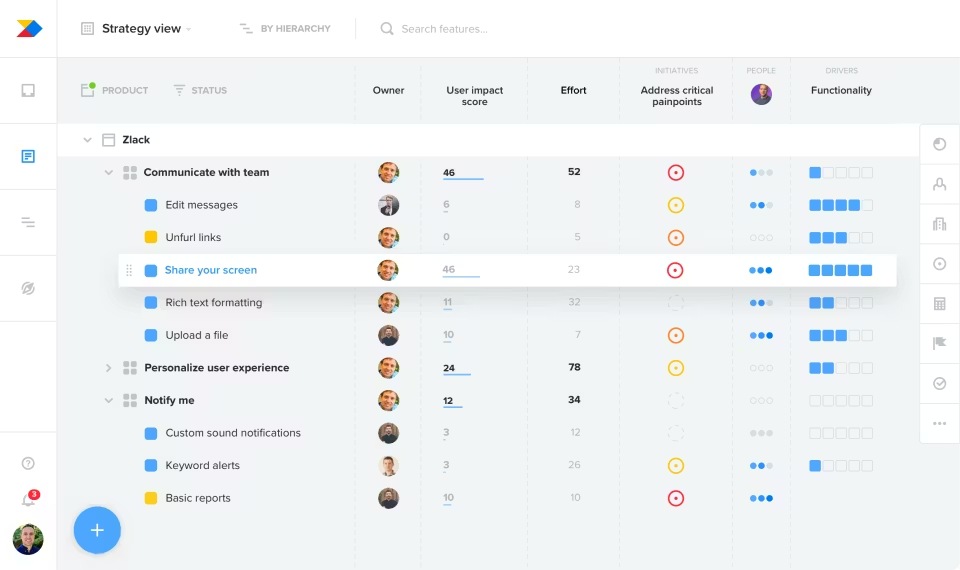
Productboard is a product management platform focused on capturing customer feedback and prioritizing product features. Its AI capabilities help summarize insights and organize feedback into product opportunities.
Strengths
- Customer feedback analysis
- Feature prioritization support
- Roadmap planning tools
Best for
Product teams managing customer insights and feature prioritization.
5. Amplitude AI
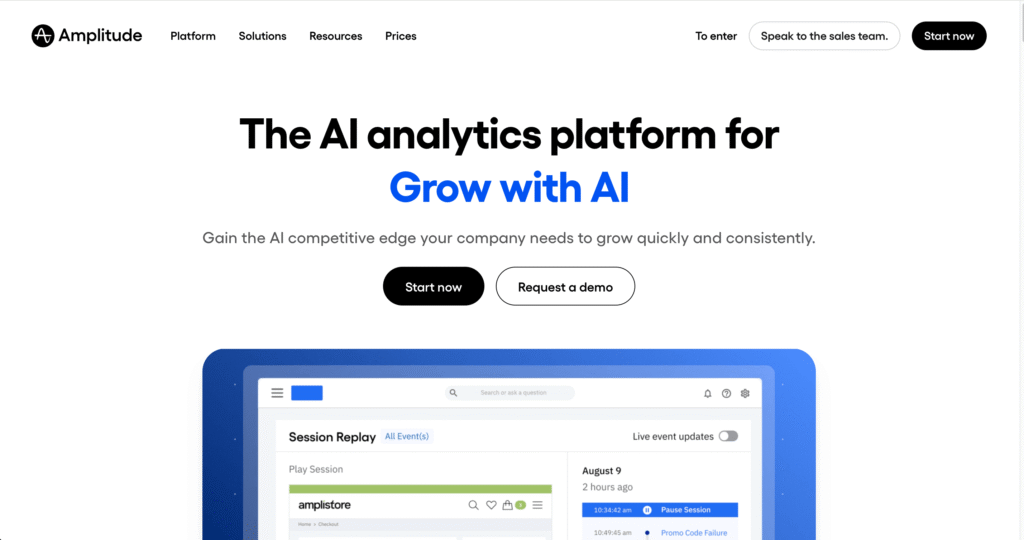
Amplitude integrates AI capabilities into its product analytics platform. Product managers use it to analyze user behavior, generate insights, and identify growth opportunities.
Strengths
- Behavioral analytics insights
- Product usage analysis
- Growth opportunity identification
Best for
Product teams focused on data-driven product decisions.
6. Coda AI
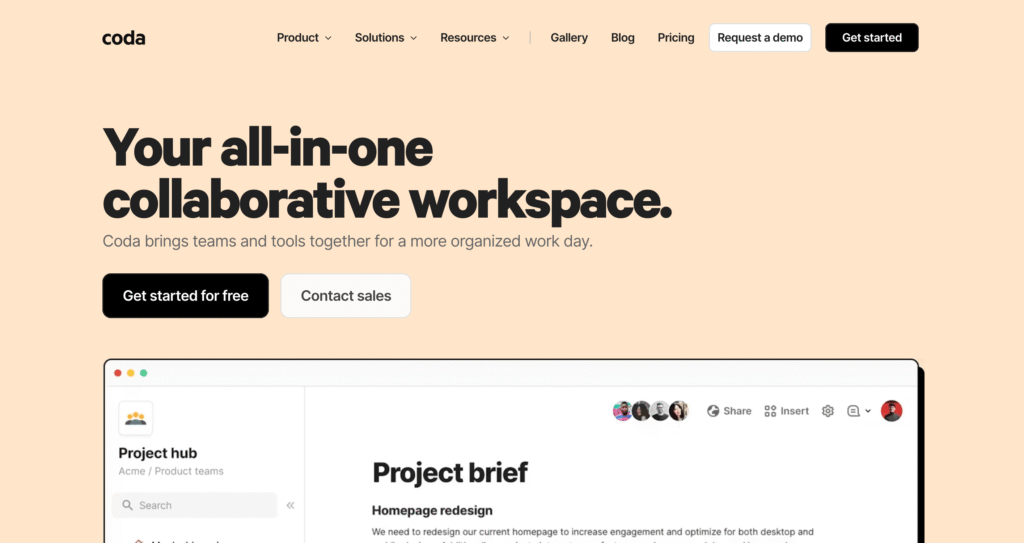
Coda AI integrates AI into collaborative documents and product planning workflows. Product managers often use it for roadmap planning, meeting summaries, and structured product documentation.
Strengths
- AI-assisted documentation
- Collaborative planning workflows
- Structured product operations tools
Best for
Product teams coordinating planning and documentation workflows.
7. Jira Product Discovery
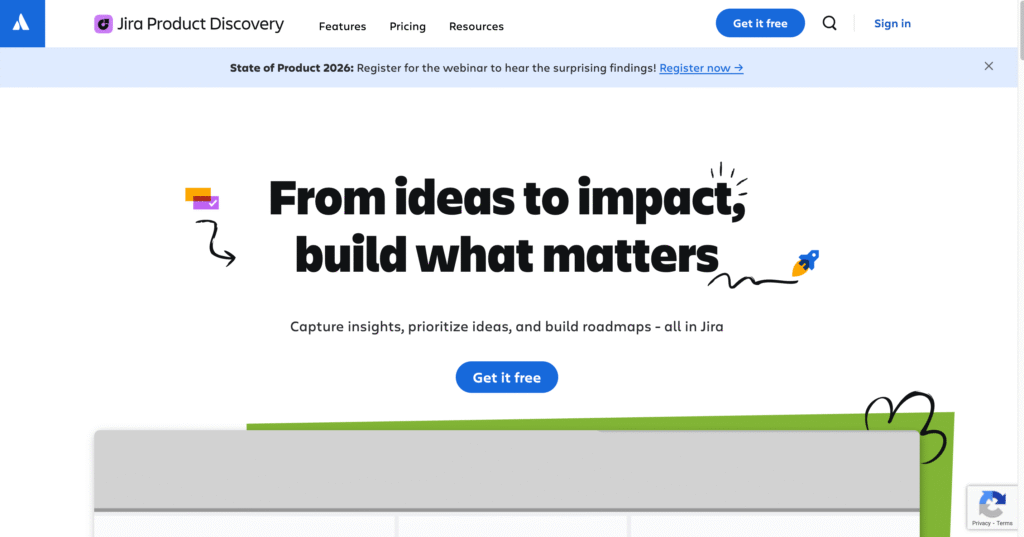
Jira Product Discovery helps product managers organize ideas, gather feedback, and prioritize product initiatives. AI features assist with summarization, insight extraction, and idea organization.
Strengths
- Idea and opportunity tracking
- Product prioritization workflows
- Integration with Jira development workflows
Best for
Product teams already using the Atlassian ecosystem.
Summary Comparison Table
| Platform | Core Focus | Product Management Capability | Team Collaboration | Multi-Model Access | AI Execution Layer |
|---|---|---|---|---|---|
| WorkLLM | AI workspace & orchestration | Advanced (research, planning, collaboration) | High | Yes | Full (Tools, Assistants, Agents) |
| Notion AI | Documentation workspace | Strong (specs and knowledge management) | High | No | Limited |
| ChatGPT Enterprise | General-purpose AI | Strong (research and analysis) | Moderate | Limited | Assistants |
| Productboard | Customer insight platform | Strong (feedback analysis and prioritization) | High | No | Limited |
| Amplitude AI | Product analytics | Strong (user behavior insights) | Moderate | No | Analytics-focused |
| Coda AI | Collaborative docs platform | Moderate (planning and documentation) | High | No | Limited |
| Jira Product Discovery | Product planning platform | Strong (idea prioritization) | High | No | Limited |
What Product Leaders Should Evaluate
When choosing an AI platform, product teams should consider several key factors.
Research and Insight Synthesis
Can the platform help analyze user feedback, interviews, and product data?
Shared Product Memory
Does the system retain insights and decisions across product initiatives?
Cross-Functional Collaboration
Can product, engineering, design, and leadership collaborate in the same AI environment?
Workflow Integration
Does AI integrate with product tools such as analytics platforms, documentation systems, and project management tools?
Governance and Visibility
Can leadership monitor how AI is being used across teams?
The Shift from Product Tools to Product Intelligence Systems
The first generation of AI tools helped product managers write documentation faster or summarize information more efficiently.
The next generation focuses on coordination.
Instead of separate tools for research, analytics, and documentation, product teams are beginning to adopt platforms that support shared context and structured collaboration across the entire product lifecycle.
Platforms such as WorkLLM enable this shift by combining shared memory, multi-model access, assistants, agents, and workflow coordination inside one environment. Product teams can analyze insights, plan initiatives, coordinate decisions, and automate tasks within the same workspace.
As AI adoption grows, the advantage will not come from writing product documents faster. It will come from how effectively teams coordinate intelligence across research, decisions, and execution.
Author Details

Product-focused founder with deep experience in AI, enterprise software, and data platforms. Passionate about turning complex workplace problems into simple, scalable products.